Program Overview

Latino Studies for Educators fosters broader cultural awareness among students of Education and Spanish. It provides students with an interdisciplinary opportunity to develop and hone advanced language skills and cultural competencies to successfully engage with students, parents, and colleagues in a Spanish-speaking (and broadly, Latino) community.

In addition to developing essential communicative skills in Spanish, the minor explores various aspects of working as an educator within culturally diverse environment and empowers students to appreciate just how interconnected language, culture and education really are.

Why Minor in Latino Studies for Educators?

  • Distinguish yourself when applying for jobs
  • Prepare yourself to work with a quickly growing demographic
  • Earn more through pay differentials and sign-on bonuses
  • Better respond to the needs of your students, their families, and your colleagues

School districts across the country are in dire need of Spanish-speaking teachers.

According to the Massachusetts Department of Elementary and Secondary Education, more than 10% of public elementary and secondary school students are classified as English Language Learners—that is, students who are native in another language. Additionally, 19% of the state’s Latino population is a student (Kindergarten through 12th Grade).

Sample Courses

Introduction to Latino Studies

This course provides an overview of the many Latino cultures as they may manifest in the United States. Students will come to better understand the legacies of the past (colonization, the European slave trade, systematic oppression); how it impacted existing, and resulted in the creation of, cultures within the Spanish-Speaking World; and how the confluence of multiple socio-political and cultural factors manifest in contemporary societies. Special attention is paid to hearing the voices and lived experiences of Latinos today
Teaching English Language Arts for Diverse Learners

This course equips teacher candidates with the skills to effectively teach English Language Arts (ELA) to diverse learners, with a focus on reading, writing, speaking, listening, and visual communication. Candidates will better understand the characteristics of moderate disabilities and how to support students through inclusive, responsive instruction. Candidates will be introduced to a range of informal assessment strategies to guide decision-making around student learning goals. These assessments ensure that instruction is tailored to meet the needs of diverse learners.

Spanish and Hispanic Cultures for Professionals II

Students will continue to develop and hone the skills necessary to prepare professional documents and engage in professional conversations. Special attention is paid to expanding thematic vocabulary that may pertain to marketing, accounting, finance, or other sectors. Other topics that may be explored include organizational structures, ethical expectations of employers, and the dynamics of professional relationships. Skills for successfully negotiating cultural differences and avoiding misunderstandings are also developed throughout this course.

Contact

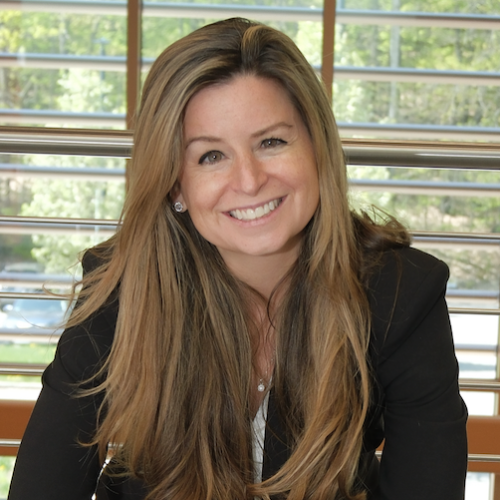
Lyndsey Aubin Benharris

Lyndsey Aubin Benharris

Associate Professor of Education
Peter J. Mahoney

Peter J. Mahoney

Associate Professor of Spanish, Hispanic & Latino Studies Department Chair
Languages Lit. & Cultures