
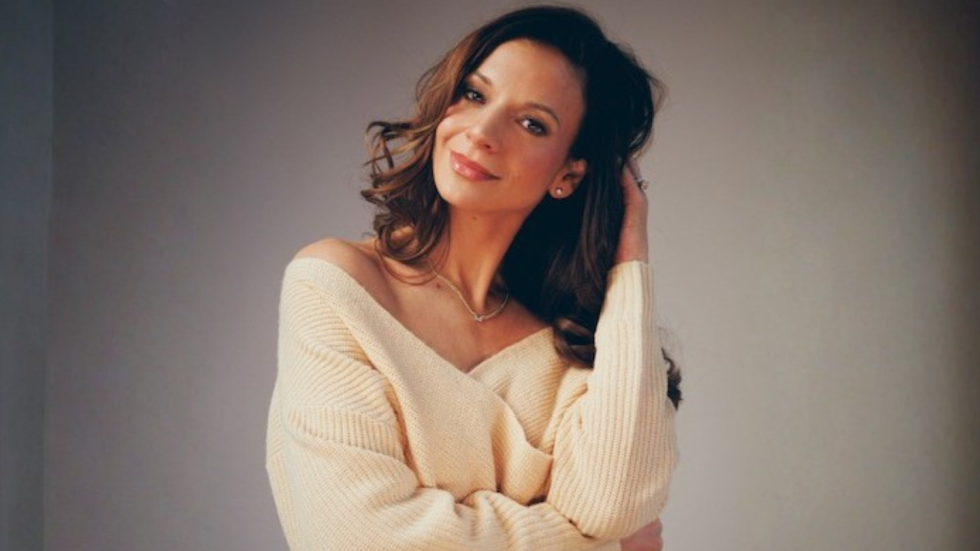
Daryl Appleton '08
Five Questions with Daryl Appleton '08
A student-athlete mindset, forged on the Hill and carried to the highest levels
The squeak of sneakers, the bounce of a basketball, the swish of the net—this was the soundtrack of life as a student-athlete at Stonehill for Daryl (Cioffi) Appleton '08. Day after day, she could be found perfecting every pass, shot and rebound on the basketball court, balancing the demands of competition with the rhythm of higher education. For Appleton, attending Stonehill was a certainty from the moment she visited as a women’s basketball recruit from New Jersey.
“I had a few other universities to visit, but I didn’t even want to go,” Appleton said. “I knew Stonehill was my home. The community, the campus, the women's basketball program—it all felt like the perfect fit and checked every box for me.”
That sense of belonging extended beyond Merkert Gymnasium. Academically, Appleton found her stride as a communications major with a minor in psychology. "I was able to bridge my academic and athletic worlds. I think Stonehill was amazing in helping give both the space and guidance that I needed," she said.
After graduation, Appleton went on to earn a graduate degree in guidance and counseling and a doctorate degree in educational leadership and administration.
Now, as an award-winning high-performance consultant, wellness advisor, podcast host and in-house executive coach for Fortune 500 leaders, Ivy League surgical programs, elite athletes and more, Appleton channels the lessons she learned on and off the court into her work with leaders at the highest levels. In five questions, she shares how the focus, discipline and resilience she honed as a student-athlete continue to guide her work today.
During your time at Stonehill, was there a specific experience that influenced your drive and how you navigate your career today?
It was being part of the basketball team. Preseason, especially, was one of the most challenging things I ever had to do—balancing classes, waking up at 5 a.m., the physical exertion on top of the emotional toll that comes with it and getting through something hard with people who were by your side, all working toward a bigger goal. It really set me up to have stamina and the ability to do hard things.
Being a student-athlete was a huge part of the mental process I still carry with me today. That internal voice you build—your grit, that deep part of your soul—stays with you. When I’m in the middle of something hard now, I tell myself, you can do this. It’s the same thing I used to tell myself as a student-athlete.
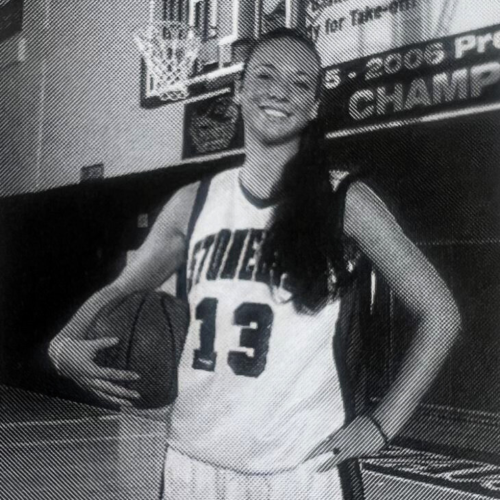
Basketball at Stonehill is not just a sport; for the team, it truly is a way of life... On game night, we morphed into a team of people that embodied Stonehill as a whole with everyone in the community behind us, cheering us on.
As a wellness advisor, consultant and executive coach, you work with Fortune 500 executives, Ivy League surgical programs and elite athletes. What has been the most fulfilling aspect of that journey?
I like doing things that matter to me. I started my career in mental health, and while there’s so much great work in that field, as an athlete and someone focused on high performance, I started to feel frustrated with how we support people who are expected to achieve at a high level.
If we’re asking people to do hard, high-pressure things, we need to give them the skills to do them. What I’ve learned is that success looks different for everyone, and what gets you to one level won’t necessarily get you to the next. I’ve been able to blend everything I care about into work that’s valued, used and truly meaningful—and that matters to me.
You were featured in ELLE Magazine’s Modern Wellness Guide, where you challenge the idea that grinding harder leads to greatness. Over the course of your career, what has most shaped your belief that sustainable success comes from working smarter, not harder?
As a women’s basketball player, I had to read this book called Mind Gym by Gary Mack. Mack talks about flow state—this idea that every shot goes in, every pass is perfect, because you’ve trained for it and you let muscle memory take over. You’re not forcing it or pushing in a way that’s counterproductive.
What I believe in is alignment—understanding what you value, what matters to you and building systems that support that, even when competing priorities exist. When you’re aligned, you work smarter, not harder. You only have so much energy in a day, and if you’re spending it on counterproductive things, you’re working against yourself. Instead, we should focus on what really matters and how to get there in ways that require less energy, so we can ultimately do more with less.
What is one lesson or value from the College that continues to guide the way you approach obstacles and opportunities today?
“Do the first thing first.” It's stuck with me from my time at Stonehill. I come back to it whenever I’m overwhelmed—or when I’m working with people who have so much going on, professionally and personally.
It’s about breaking things down: what’s the first thing you need to do? Do you need to eat? Go to the bathroom? Wash your face? That kind of grounding creates order out of chaos. It creates function instead of dysfunction.
I think of it as calm in the storm. Even in basketball, you have to do the first thing first—you can’t worry about who’s winning or how the game will end when you’re in the middle of a play you still have to finish. That mental reframe has really stayed with me, and it shows up in so much of the work I do today.
From the court to family life, Appleton is pictured today alongside her greatest team.
The wellness space seems to be constantly evolving. How do you continue to grow and find new inspiration in your profession?
My focus has shifted a bit. I still work in-house in corporate and with some one-on-one clients, but now I’m starting to work internationally and within New England to create events for women, community groups and even corporate teams.
Wellness isn’t just bubble baths, microdosing, skincare or endless therapy sessions. I believe it’s about practice and progress in beautiful spaces, experiential learning and self-awareness. Our society has leaned so heavily on Instagram, TikTok and influencers to define wellness, and a lot of it feels unobtainable. I wanted to speak up and show there’s a different way—smarter, not harder. These events give people a chance to figure out who they are, what they value and how to align their actions with their definition of success and well-being in practice.